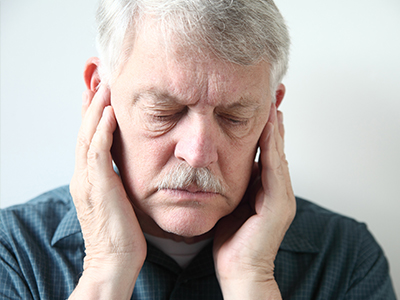
Temporomandibular joint (TMJ) disorders can cause jaw pain, difficulty chewing, earache-like discomfort, frequent headaches, or a jaw that clicks or locks. Our approach is measured and evidence-based: identify the root cause through careful assessment, then start with the least invasive treatments most likely to relieve symptoms and restore comfortable jaw function.
The jaw joints and the muscles that move them work as one system, so trouble can come from joint inflammation, disc displacement, muscle overload, or an uneven bite. A single cause, like persistent clenching, can produce anything from mild soreness to debilitating headaches, and symptoms often flare with stress, long chewing, or certain sleep positions. That variability is exactly why a personalized evaluation matters before any treatment begins.
Diagnosis starts with listening. We take a detailed history, then examine jaw movement, range of motion, joint sounds, and muscle tenderness. When indicated, cone-beam CT (CBCT) imaging gives a three-dimensional view of the joint that can reveal arthritic changes or structural concerns not visible on standard X-rays.
We also analyze your bite, how your teeth meet and how forces travel through them, because small differences in tooth contact can strain muscles and joints over time. Together, these findings produce a clearer diagnosis and help avoid unnecessary treatment.
Most TMJ cases respond well to noninvasive care. Common first steps include:
A well-fitted splint alone provides dramatic relief for many patients while protecting the teeth from wear.
When chronic muscle overactivity is the main driver, persistent clenching, severe jaw tightness, or headaches originating in the jaw muscles, neuromodulator injections such as Botox® can reduce excess muscle contraction and interrupt pain cycles. The injections are targeted to specific muscles identified during your exam, the effects are temporary and adjustable, and they are always combined with conservative care rather than used as a standalone cure.
Most patients improve without ever needing more than these measures. If symptoms persist or imaging shows structural joint changes, we coordinate referrals to orofacial pain specialists, oral surgeons, or physical therapists, and surgery is reserved for specific conditions only after a careful discussion of risks and alternatives. If jaw pain, clicking, or headaches are affecting your daily life, contact us to learn how we evaluate and treat TMJ disorders.