
Sedation Dentistry

Relaxed, anxiety-free dental care

Sedation dentistry helps you get the care you need with less fear and more comfort. Whether you deal with dental anxiety, a strong gag reflex, or simply face a long procedure, sedation offers a safe, controlled way to relax. We tailor each plan to the procedure, your medical history, and your preferences, and we review everything with you before the appointment so there are no surprises. Comfort features like heated, massaging dental chairs help you relax even when sedation is not needed.

Levels of sedation available

Sedation is a spectrum, not a single treatment. Nitrous oxide (laughing gas) provides mild relaxation, you stay awake and responsive while breathing through a small mask, and the effects wear off within minutes, so most patients can resume normal activities right away.

Oral sedation uses a prescribed medication taken before your visit to produce a deeper level of relaxation; many patients remember little of the procedure. You will need a responsible adult to drive you home and stay with you until the effects wear off. For longer surgeries, medically complex cases, or patients who cannot tolerate lighter options, deep sedation or general anesthesia can be provided in the office by a board-certified anesthesiologist, avoiding a hospital visit while maintaining the highest standards of monitoring.

Safety and monitoring at every step

Every sedation plan starts with a thorough medical review: current medications, past anesthesia experiences, sleep-disordered breathing, and any chronic conditions. When needed, we consult with your physician before treatment. During the procedure, your breathing, oxygen levels, and responsiveness are monitored continuously, and the office is equipped with emergency medications and resuscitation tools.

For deeper sedation, a board-certified anesthesiologist manages your airway and monitoring throughout. Afterward, we observe you until you are fully alert and stable, then send you home with clear written and verbal aftercare instructions.

Who benefits from sedation

Sedation helps a wide range of patients, including those with:

  • Dental anxiety or phobia
  • A strong gag reflex
  • Extensive treatment planned in a single visit
  • Medical or behavioral needs that make traditional care difficult

Sedation is not one-size-fits-all. Certain medical conditions, medications, and pregnancy require special consideration, and in some cases we may recommend adapting or deferring sedation to protect your overall health. When deeper sedation is planned, you will be asked to fast beforehand and arrange a ride home.

What to expect on the day

Recovery depends on the level of sedation. Nitrous oxide wears off almost immediately; oral and deeper sedation require a longer observation period and temporary restrictions on driving and certain activities. We provide clear post-visit instructions and follow-up guidance so you know exactly what to expect. If you would like to learn more about sedation options and which might fit your care, contact us for more information.
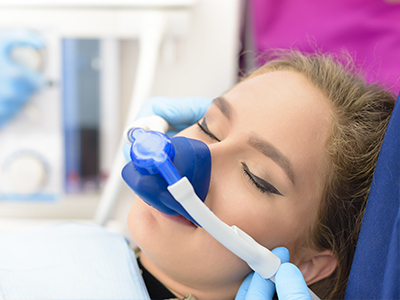
Sedation dentistry, Kary Dental

Our Office

Frequently Asked Questions

What is sedation dentistry?

Sedation dentistry uses medications to help patients relax during dental procedures and reduce anxiety, discomfort, or gagging. It is used in combination with local anesthesia so patients do not feel pain even while they are calm or drowsy. Sedation can produce varying levels of awareness, from mild relaxation to a deeper, sleep-like state depending on the method chosen. The approach is individualized so the team can balance comfort with safety for each procedure.

The goal of sedation dentistry is to enable patients to receive necessary care without distress and to allow clinicians to work efficiently and safely. Many patients who avoid the dentist because of fear or sensitivity find sedation makes treatment manageable. Before recommending sedation, dental professionals review medical history, medications, and any relevant concerns to select the appropriate option. Proper evaluation helps ensure the chosen method meets the patient’s clinical needs and comfort level.
Candidates commonly include patients with significant dental anxiety or phobia, a powerful gag reflex, difficulty sitting for extended procedures, complex treatment needs, or certain special healthcare needs. Children, patients with cognitive or behavioral challenges, and adults who require lengthy or invasive work may also benefit from sedation. Suitability is determined case by case through a review of medical history, current medications, and the nature of the dental treatment. The decision considers both the patient’s comfort and their overall medical safety.

At Kary Dental, the dental team conducts a thorough pre-treatment assessment to recommend the safest and most effective sedation option for each patient. This assessment includes questions about prior reactions to sedation or anesthesia, chronic conditions, and recent illnesses. When necessary, the team coordinates with a patient’s physician to confirm that sedation is appropriate. Patients and caregivers receive clear instructions on preparation and recovery to minimize risks.
Common options used in dental offices include inhalation sedation with nitrous oxide, oral sedation with prescription medication, and intravenous (IV) sedation for deeper, adjustable effects. Nitrous oxide acts quickly and dissipates within minutes after the mask is removed, making it suitable for mild to moderate anxiety. Oral sedatives are taken before the appointment and produce a relaxed, drowsy state with slower onset and recovery. IV sedation is administered directly into a vein for rapid, controllable sedation that can be adjusted throughout the procedure.

General anesthesia, which renders a patient completely unconscious, is typically provided in a hospital setting and reserved for cases where office-based methods are insufficient. Each option differs in onset, depth of sedation, monitoring requirements, and recovery time, so the dental team recommends the method that best matches the procedure and the patient’s health profile. Clear pre-procedure instructions and appropriate monitoring help ensure effective, individualized care.
Sedation dentistry is generally safe when administered by trained professionals following established clinical protocols and when patients undergo appropriate pre-treatment screening. Safety measures include a complete medical history, medication review, monitoring of vital signs during the procedure, and having emergency equipment and protocols in place. The level of monitoring and the qualifications of the person administering sedation increase with the depth of sedation. Conscious sedation methods allow patients to breathe independently, while deeper sedation requires more intensive monitoring.

Risk is minimized by following the dentist’s pre-procedure instructions, disclosing all health conditions and medications, and adhering to fasting guidelines when required. The dental team evaluates factors such as cardiovascular and respiratory status, sleep apnea, and medication interactions to determine whether sedation is appropriate. Ongoing communication and careful observation before, during, and after treatment are central to maintaining a safe experience.
Preparation depends on the chosen sedation method but commonly includes providing a complete medical history, a list of current medications and supplements, and any prior anesthesia reactions. Patients scheduled for oral or IV sedation are often instructed to avoid eating or drinking for a specific period beforehand, and they should not consume alcohol or recreational drugs for at least 24 hours prior. It is important to arrange for a responsible adult to drive you to and from the appointment if the sedation will impair your ability to drive.

Wear comfortable, loose-fitting clothing and bring any necessary medical documentation or medication lists to the visit. Follow any specific instructions provided by the dental office regarding medication timing, smoking, or routine prescriptions. If you have questions about how to prepare, contact the practice beforehand so the team can provide guidance tailored to your health history and the planned procedure.
During conscious sedation you will typically feel relaxed and may be drowsy but remain responsive to verbal cues, while deeper sedation can lead to reduced awareness or little recollection of the procedure. The dental team will administer the sedative, provide local anesthesia for pain control, and continuously monitor vital signs such as heart rate and oxygen saturation. Communication remains possible in most forms of conscious sedation, and adjustments can be made to keep you comfortable throughout the visit.

After the procedure, recovery times vary by the type of sedation used; nitrous oxide wears off quickly, while oral and IV sedatives may require more extended observation. Patients are observed until they meet criteria for safe discharge and must follow post-procedure instructions regarding activity, eating, and medication. An escort should be available to take patients home when recovery may impair safe transportation, and the practice provides guidance for follow-up care and when to seek further help.
Yes, several medical conditions and medications can influence which sedation methods are safe and appropriate, including heart or lung disease, liver or kidney impairment, sleep apnea, pregnancy, and certain neurological conditions. Prescription drugs, over-the-counter medications, herbal supplements, and recreational substances can interact with sedative agents and alter their effects. The dental team must review all medications and health conditions in advance to identify potential interactions or contraindications.

Based on this review, the dentist may modify the sedation plan, adjust medication doses, request medical clearance from a physician, or recommend alternative approaches to manage anxiety and ensure safe treatment. Full disclosure of health history and adherence to pre-appointment instructions help the team choose a sedation strategy that minimizes risk. Open communication allows the practice to tailor care while protecting the patient’s overall health.
Awareness and memory depend on the depth of sedation. With nitrous oxide most patients remain aware but relaxed and typically remember the appointment, while oral and IV sedatives commonly produce partial or complete amnesia for the procedure. General anesthesia results in no awareness and is managed in a hospital environment with an anesthesiologist. The anticipated level of awareness and memory is discussed during the pre-treatment consultation so patients know what to expect.

Many patients appreciate that sedation can reduce the emotional impact of dental care by minimizing remembered discomfort or anxiety. If preserving recall is a concern, discuss it with the dental team so they can select or adjust a method that aligns with your preferences. The clinician will document the plan and obtain informed consent after reviewing expected effects and recovery expectations.