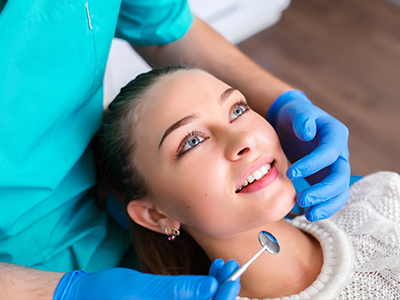
Gum disease (periodontal disease) is the leading cause of tooth loss in adults, but it doesn’t have to be. We screen for gingivitis and periodontitis at every routine exam and offer a full range of in-house treatments to stop the disease, reduce infection, and restore healthy gums. Early detection and a clear, personalized plan are the keys to keeping your natural teeth.
Periodontal disease starts when plaque and bacteria build up along the gumline, causing inflammation and, over time, loss of the tissues that anchor your teeth. Early on (gingivitis), signs can be subtle, red or swollen gums, bleeding when you brush, or persistent bad breath. If it advances to periodontitis, gum pockets deepen and bone loss can follow, making teeth loose and harder to save.
Smoking, uncontrolled diabetes, certain medications, and genetics can all make gum disease more aggressive. Because it is often painless, regular professional evaluation, with visual exams, gentle probing, and imaging when needed, is essential to catch it before permanent damage occurs.
Scaling and root planing, a deep cleaning above and below the gumline, is the first line of defense. Performed with local anesthesia as needed, it removes plaque and hardened deposits and smooths root surfaces so bacteria have fewer places to hide and the gums can reattach. Many patients see measurable improvement with this therapy alone, especially when paired with better daily hygiene.
Laser-assisted treatment can complement traditional therapy by targeting bacteria and diseased tissue precisely, often with less bleeding, swelling, and discomfort. After active treatment, periodontal maintenance visits, more frequent than standard cleanings, monitor pocket depths, remove new buildup, and keep the disease from returning.
When gum recession exposes roots or there is too little tissue to support a healthy margin, soft tissue grafting can restore lost gum tissue, reduce sensitivity, and improve the long-term outlook for teeth and dental work. Functional crown lengthening recontours gum (and sometimes bone) to expose more tooth structure when a restoration needs it for a durable, hygienic fit.
Surgery is recommended only after conservative approaches are considered, and we walk through alternatives, expected recovery, and aftercare so you can decide with confidence.
Treatment is only half the picture. We coach you on effective daily habits, brushing technique, cleaning between teeth, and antimicrobial rinses when indicated, because small, consistent routines have the biggest impact on keeping disease from progressing.
Since gum health is linked to overall health, we coordinate with your physician when conditions like diabetes or complex medications are involved. Regular periodontal evaluations and a maintenance schedule tailored to your risk keep results stable and protect your natural teeth for the long term.