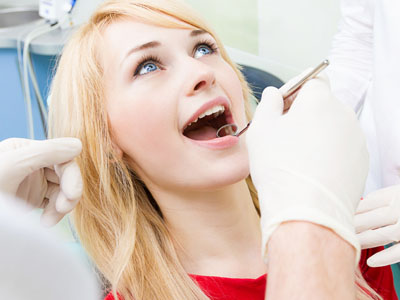
Regular oral exams are the foundation of lasting dental health. By checking your whole mouth on a predictable schedule, we can catch decay, gum changes, bite problems, and other concerns while they are still small and simple to treat. Catching problems early means less invasive care, better outcomes, and fewer surprises, and comparing findings from visit to visit turns small observations into a clear picture of your oral health over time.
A comprehensive oral evaluation goes well beyond a quick look. We check each tooth for decay, examine existing fillings and crowns for wear or leakage, and evaluate your gums with gentle probing for inflammation, pocketing, or recession. Soft tissues, the tongue, cheeks, and floor of the mouth, are examined for unusual lesions or color changes, and every exam includes an oral cancer screening.
We also observe your bite and jaw function for signs of clenching, grinding, or joint strain. Together, these findings shape an individualized care plan focused on prevention and only the treatment you truly need.
Modern exams pair careful clinical assessment with technology that improves detection while keeping you comfortable. Digital X-rays reveal tooth roots, bone levels, and hidden decay between teeth with far less radiation than traditional film. When complex anatomy or implant planning calls for it, cone-beam CT provides a detailed three-dimensional view.
Intraoral cameras and digital scanners let you see what we see, making it easier to understand your options and take part in decisions. We use these tools selectively, choosing the right one for the question at hand rather than as a default, to balance thoroughness with safety.
A typical exam begins with a review of your medical and dental history and any concerns you want addressed. That is followed by a gentle, methodical inspection of your teeth, gums, and soft tissues, plus any imaging your history and findings call for.
We explain what we observe in plain language. If treatment is recommended, we outline what each step accomplishes and why, so you can weigh benefits, alternatives, and timing without pressure. Visits often end with practical home-care tips tailored to you, flossing technique, managing sensitivity, or strategies for grinding.
Daily habits do much of the work between appointments. Brushing twice a day with a soft-bristled brush, cleaning between your teeth daily, and using fluoride when appropriate all remove the plaque that leads to cavities and gum disease. Lifestyle factors, diet, tobacco use, sleep, and stress, matter too, and discussing them during your exam helps us target prevention where it counts.
When thoughtful daily care is combined with regular professional exams, the result is a healthier, more comfortable, and more predictable smile for years to come.