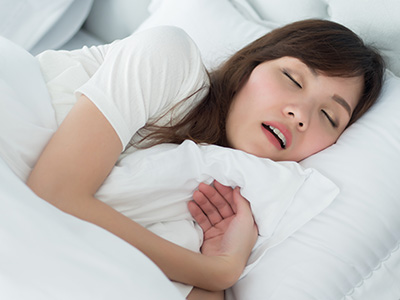
Snoring appliances, also called mandibular advancement devices or oral appliances, are custom dental devices worn during sleep. By gently repositioning the lower jaw forward, they open the space behind the tongue and soft palate, reducing the tissue vibration that causes snoring and improving airflow. Unlike bulky sleep machines, these devices are small, portable, and sit entirely inside the mouth.
Oral appliances are most often recommended for adults who snore loudly or have mild to moderate obstructive sleep apnea (OSA). A formal sleep study, in-lab or home testing, is typically required first to confirm the diagnosis and severity. Patients who cannot tolerate CPAP because of mask discomfort or claustrophobia often find an appliance a practical alternative, and it travels easily.
Not everyone qualifies. Severe OSA, significant jaw joint (TMJ) problems, or too few teeth to hold the appliance may rule it out. That is why care is shared between the dentist, who evaluates your teeth and jaw, and a sleep physician, who interprets testing and monitors medical risks. Our dentist is a Qualified Dentist of the American Academy of Dental Sleep Medicine and works closely with sleep physicians throughout evaluation and treatment.
Treatment starts with a thorough exam of your airway, teeth, gums, and jaw joints, plus a review of your sleep history and any testing results. Digital scans capture an accurate model of your bite so the appliance fits snugly and works predictably, a meaningful step up from boil-and-bite products.
At the fitting appointment, the device is adjusted so your jaw sits in a therapeutic position without straining the joints or muscles. Follow-up visits over the first few months fine-tune the fit and effectiveness, and periodic checkups afterward catch dental changes or appliance wear early.
Caring for an appliance is simple: rinse it each morning, brush it with a soft brush, soak it occasionally in a non-abrasive cleaner, and store it in a ventilated case. Healthy habits, weight management, limiting alcohol near bedtime, and good sleep routines, make the appliance work even better.
Short-term side effects like minor jaw soreness or extra salivation usually resolve with adjustment. Long-term use can gradually affect the bite, which is why regular dental monitoring matters.
Many patients notice reduced snoring, fewer breathing pauses, and better daytime alertness. When treating sleep apnea, follow-up sleep testing may be recommended to confirm the appliance is meeting therapeutic goals, and your dentist and sleep physician together decide whether any changes are needed. If you are considering a non-CPAP approach to snoring or sleep-disordered breathing, contact us to learn whether oral appliance therapy is a good fit for you.