
Sleep Apnea

Rest easier with comfortable oral appliance therapy

For many people with obstructive sleep apnea (OSA), a custom-fit oral appliance offers a comfortable, CPAP-free treatment. Worn during sleep, the appliance gently repositions the lower jaw to keep the airway open, reducing snoring and improving daytime alertness. Our dentist is a member of the American Academy of Dental Sleep Medicine with specific training in oral appliance therapy, and every case is coordinated closely with your sleep physician.

Why treating sleep apnea matters

OSA happens when the upper airway narrows or collapses during sleep, interrupting breathing and fragmenting restorative rest. Loud snoring, daytime sleepiness, and trouble concentrating are common signals. Treating OSA improves sleep quality, reduces strain on the heart, and often improves mood and daytime function.

Oral appliance therapy is a clinically validated option for mild to moderate OSA and for patients who cannot tolerate a CPAP mask. It can also be combined with CPAP to improve comfort and results. Because each appliance is custom-made and adjustable, many patients find it easier to wear consistently than a machine-based therapy.

Diagnosis comes first

Sleep apnea is a medical diagnosis, and treatment should follow confirmation. An in-lab sleep study (polysomnography) is the gold standard, and home sleep testing is appropriate for many adults. If you already have a sleep study, bring the report to your consultation; if not, we coordinate referrals and testing with a sleep physician.

Your sleep physician stays part of the care team throughout treatment. We share treatment summaries and follow-up results, and we encourage periodic retesting when indicated to confirm the appliance is delivering meaningful improvement.

What to expect with a custom appliance

Your appliance is made from impressions or digital scans of your teeth and fitted to hold the jaw slightly forward during sleep. We start with a conservative jaw position, then make small, controlled adjustments over the following weeks, called titration, to find the right balance between symptom relief and comfort. Custom appliances typically outperform over-the-counter devices in both fit and effectiveness.

Follow-up care includes monitoring for side effects such as temporary jaw soreness or tooth movement, plus periodic dental exams to check your bite and appliance wear. When therapy is combined with CPAP, we work with your sleep physician to fine-tune both treatments.

Help with insurance and paperwork

Medical insurance coverage for oral appliance therapy varies, and preauthorization is often required. We assist with medical insurance billing and prior authorization when applicable, preparing the diagnostic reports and treatment summaries that physicians and insurers typically require. Our team coordinates referrals and documentation so the process stays as simple as possible for you.

If you snore heavily, wake unrefreshed, or have been diagnosed with sleep apnea and struggle with CPAP, contact us to learn whether oral appliance therapy may be right for you.
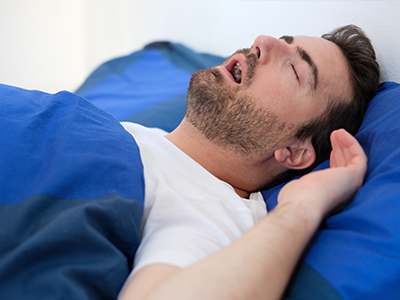
Sleep apnea, Kary Dental

Our Office

Frequently Asked Questions

What is sleep apnea?

Sleep apnea is a sleep-related breathing disorder characterized by repeated pauses in breathing during sleep that interrupt normal sleep architecture and oxygen delivery. The most common type, obstructive sleep apnea, results from partial or complete collapse of the upper airway while the throat and tongue muscles relax. Left untreated, sleep apnea can degrade sleep quality and contribute to other health problems.

The condition ranges from mild to severe and is diagnosed based on the frequency and duration of breathing interruptions and oxygen desaturation during sleep. Symptoms often emerge gradually and can be overlooked without careful evaluation. Early recognition and treatment improve daytime function and reduce health risks associated with chronic sleep disruption.
Common nighttime signs include loud, habitual snoring, witnessed pauses in breathing, choking or gasping arousals, and restless or fragmented sleep. Many people with sleep apnea do not remember awakenings but may have a bed partner who reports disruptive breathing patterns. Frequent awakening and poor sleep continuity are hallmarks of the disorder.

Daytime effects commonly include excessive sleepiness, difficulty concentrating, morning headaches, and mood changes such as irritability or depression. Sleep apnea is also associated with systemic conditions like high blood pressure, cardiovascular disease, insulin resistance, and gastroesophageal reflux, making evaluation important for overall health.
Diagnosis usually begins with a clinical evaluation that includes medical history, sleep questionnaires, and a physical exam of the upper airway. Definitive diagnosis is made with a sleep study, either an in-laboratory polysomnography or an appropriate home sleep apnea test ordered by a physician, which measures breathing, oxygen levels, and sleep stages. Results quantify the severity of apnea and guide treatment decisions.

Dentists trained in dental sleep medicine play a screening and collaborative role by identifying oral risk factors, documenting bite and airway anatomy, and coordinating care with a sleep physician. Ongoing communication between dental and medical providers ensures the chosen therapy is effective and safe for each patient.
Treatment depends on the severity of the disorder, underlying causes, and patient preferences. Continuous positive airway pressure (CPAP) remains a common first-line therapy for moderate to severe obstructive sleep apnea because it reliably splints the airway open during sleep. Weight management, positional therapy, and lifestyle changes may be recommended for milder cases or as adjunctive measures.

For patients with mild to moderate apnea or those who cannot tolerate CPAP, custom oral appliances are an effective alternative that advance the lower jaw or stabilize oral tissues to maintain an open airway. Surgical options are considered in select cases and are evaluated in collaboration with ENT or sleep surgeons, while regular follow-up and objective testing confirm treatment effectiveness.
Oral appliances are intraoral devices worn during sleep that reposition the jaw or tongue to reduce airway obstruction and minimize snoring. Most devices gently advance the lower jaw forward, which increases the space behind the tongue and decreases the tendency for soft tissues to collapse. By improving airway patency, these appliances reduce the frequency and duration of apneas and hypopneas in appropriate patients.

Appliances are custom-designed from precise impressions and bite records to balance effectiveness with comfort. They are titratable, meaning adjustments are made over time to optimize therapeutic benefit while monitoring for jaw comfort and dental changes.
Oral appliances are typically recommended for patients with primary snoring or mild to moderate obstructive sleep apnea, and for those who have difficulty tolerating CPAP therapy. Ideal candidates have sufficient healthy teeth for device retention, stable periodontal health, and no uncontrolled temporomandibular joint disorders that would be aggravated by mandibular advancement. A medical diagnosis from a sleep physician is an important part of candidate selection.

Comprehensive evaluation by a dental sleep medicine provider includes oral and airway assessment, review of sleep study results, and coordination with the patient’s physician to ensure the appliance is an appropriate option. Regular dental monitoring is required to assess fit, effectiveness, and oral health over time.
The process begins with a thorough dental exam, impressions or digital scans of your teeth, and a bite registration to capture how your jaws align. The laboratory fabricates a custom device based on these records, and an initial insertion appointment allows the clinician to check fit and comfort while providing instructions for wear and care. Early adjustments are common as the appliance is progressively titrated to the most effective position.

Follow-up visits occur over several weeks to months to fine-tune the device and address any side effects such as sore muscles or excess salivation. Objective reassessment, often coordinated with your sleep physician, may include repeat sleep testing or validated symptom scales to confirm that breathing events and daytime sleepiness have improved.
Many patients find well-fitted, custom oral appliances comfortable and adapt to them within a few nights to weeks. Common transient side effects include increased salivation, mild jaw or tooth soreness, and stiffness in the morning, which typically improve as the patient adjusts to the device. Serious complications are uncommon but can include persistent occlusal changes or TMJ discomfort if not monitored.

Regular dental follow-up is essential to track any tooth movement, bite changes, or joint symptoms and to make timely adjustments. Long-term dental surveillance preserves oral health and ensures the appliance remains both effective and safe.